In today’s fast-paced world, stress, anxiety, and burnout have become part of daily life. Many people turn to yoga for relief—but often find themselves in fast, physically demanding classes that leave them more exhausted than relaxed.
This is where Nervous System Regulation Yoga, also known as Slow Yoga, offers a powerful shift. Instead of pushing your body to its limits, this approach focuses on healing, calming, and restoring your entire nervous system.
At Divine Path, we believe true wellness begins when the body feels safe, the mind becomes still, and the breath flows naturally.
What is Nervous System Regulation Yoga?
Nervous System Regulation Yoga is a gentle, mindful practice designed to activate the body’s parasympathetic nervous system, also known as the “rest and digest” mode.
Unlike high-intensity yoga styles, slow yoga emphasizes deep relaxation, breath awareness, long-held supported postures, and emotional release. This practice helps shift the body away from fight-or-flight mode into a state of calm, balance, and healing.
Why Slow Yoga is Trending in 2026
The global wellness movement is evolving. People are no longer seeking just physical fitness—they are seeking mental peace and emotional stability.
Slow Yoga is gaining popularity due to rising stress levels, increased awareness of mental health, and the need for gentle, sustainable practices. More individuals now understand that healing doesn’t come from pushing harder—it comes from slowing down.
Key Styles of Slow Yoga
Yin Yoga
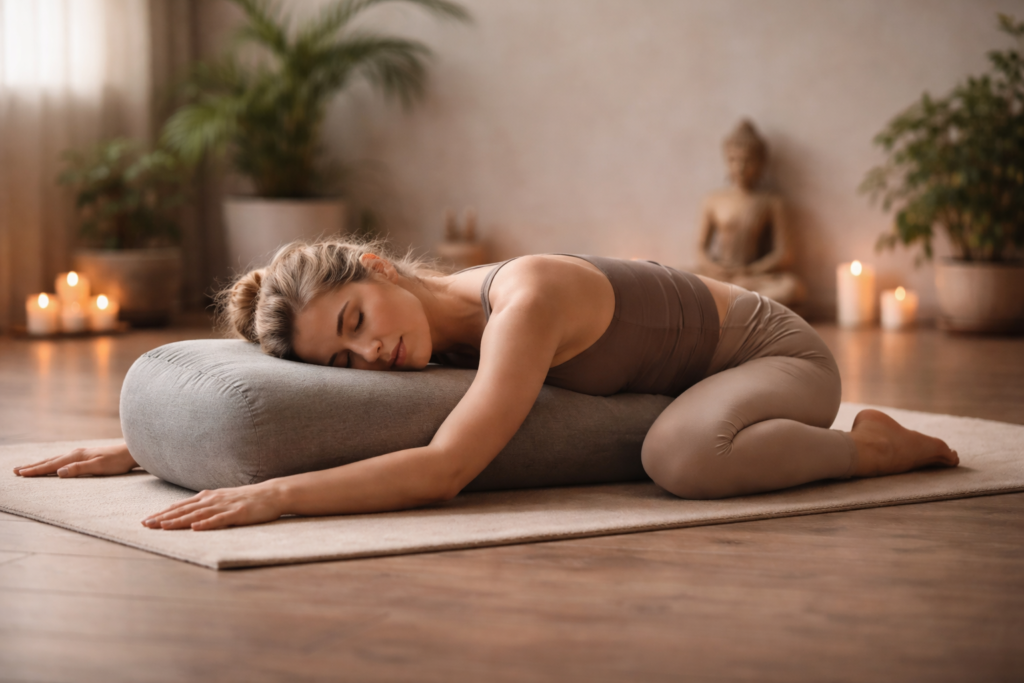
Yin Yoga involves holding passive poses for several minutes. It targets deep connective tissues, improves flexibility, and promotes emotional release. It is especially beneficial for releasing stored tension and improving joint mobility.
Restorative Yoga
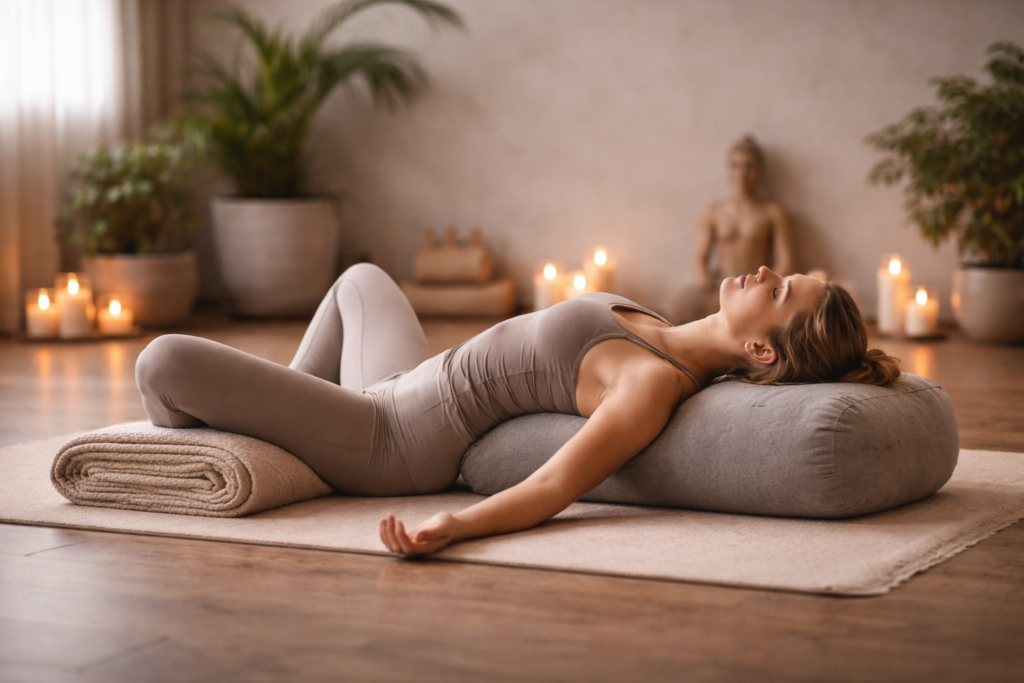
Restorative Yoga uses props like bolsters, blankets, and cushions to support the body in restful poses. It allows complete relaxation and helps reduce anxiety, fatigue, and sleep disturbances.
Best Yoga Asanas for Nervous System Regulation
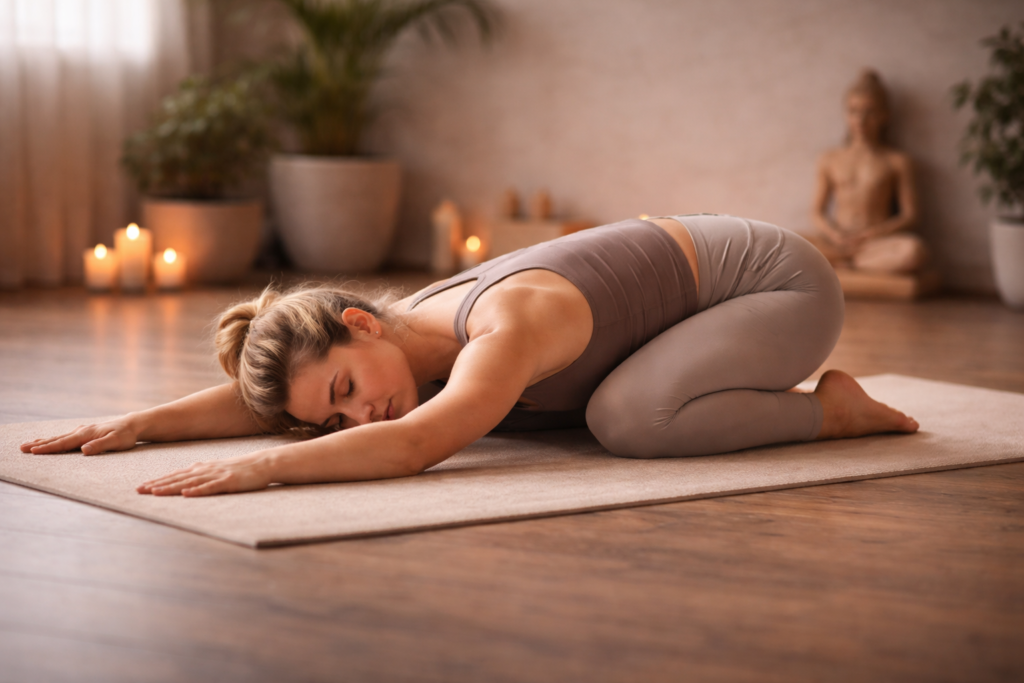
Balasana (Child’s Pose) gently calms the mind and relieves tension in the back and shoulders.
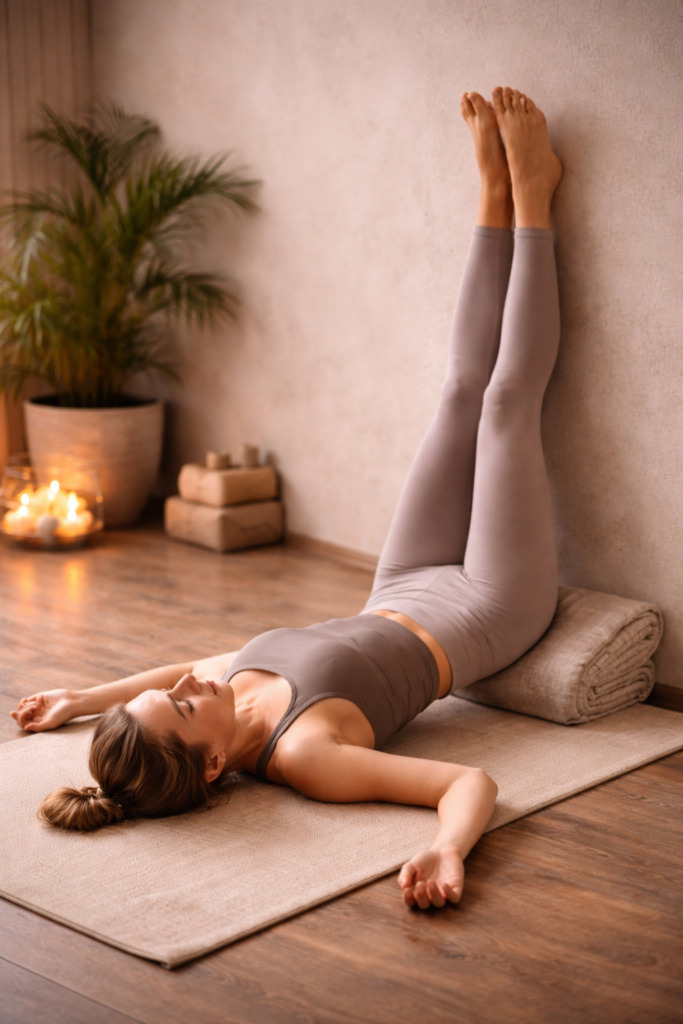
Viparita Karani (Legs-Up-The-Wall Pose) improves circulation and reduces fatigue while promoting deep relaxation.
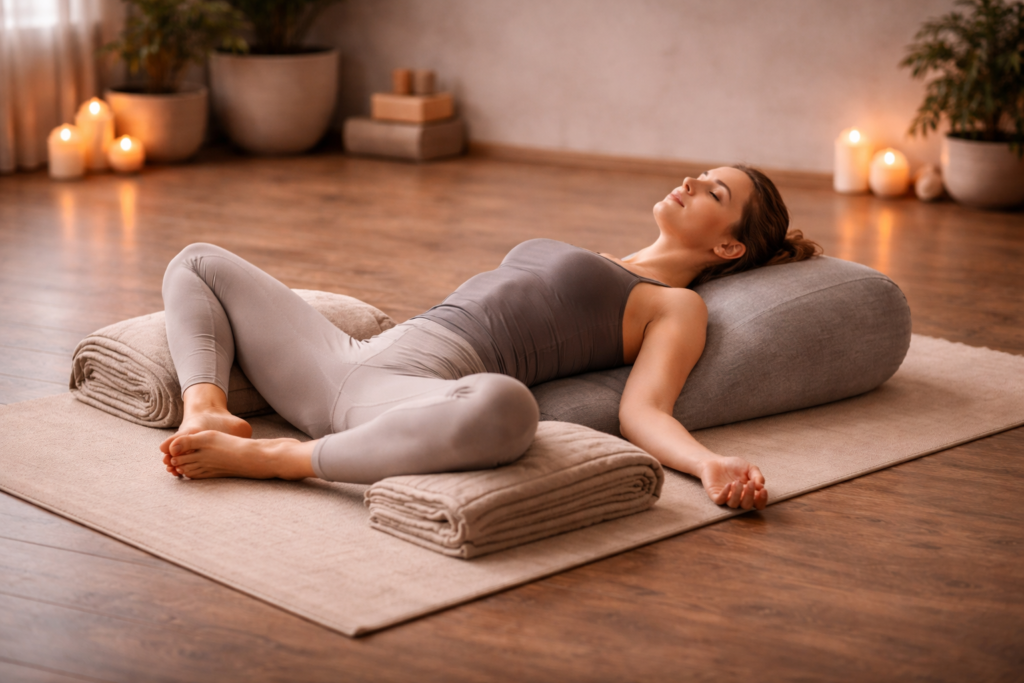
Supta Baddha Konasana (Reclining Bound Angle Pose) opens the chest and hips, encouraging emotional release and calmness.
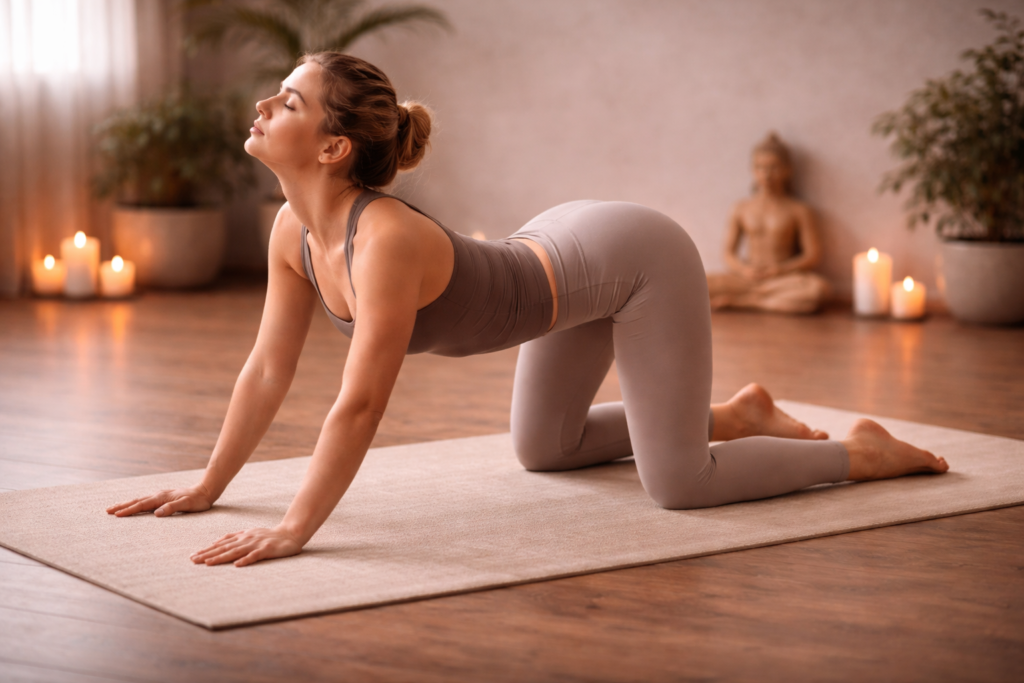
Marjaryasana–Bitilasana (Cat-Cow Stretch) releases spinal tension and helps synchronize breath with movement.
The Role of Breath in Nervous System Healing
Breath is the bridge between the body and mind. In Slow Yoga, breathing is observed and gently deepened rather than forced. Practices like deep belly breathing and alternate nostril breathing help regulate heart rate, reduce stress hormones, and bring immediate calm.
Benefits of Nervous System Regulation Yoga
Regular practice can reduce stress and anxiety, support emotional healing, improve sleep quality, and help recover from burnout. It enhances focus, builds inner awareness, and creates a deeper connection between mind and body. Over time, you feel more grounded, balanced, and present in daily life.
Who Should Practice Slow Yoga?
This practice is ideal for people experiencing stress, anxiety, or burnout. It is also suitable for beginners, individuals recovering from injury, and anyone seeking mental peace and emotional balance.
Frequently Asked Questions (FAQs)
Is Slow Yoga suitable for beginners?
Yes, Slow Yoga is gentle and easy to follow, making it perfect for beginners.
How often should I practice?
You can practice daily, even for 15 to 20 minutes. Consistency is key.
Can it help with anxiety?
Yes, it directly works on calming the nervous system and is highly effective for stress and anxiety relief.
Do I need props?
Props are helpful but not necessary. You can use pillows or blankets at home.
What is the best time to practice?
Evening or before bedtime is ideal, but you can practice anytime you need relaxation.
Final Thoughts
In a world that constantly pushes you to do more, Slow Yoga invites you to pause, breathe, and simply be. Healing doesn’t happen in a rush. It happens in stillness.
Begin Your Healing Journey Today
At Divine Path, we offer guided Slow Yoga, Yin Yoga, and Restorative Yoga sessions designed to help you reconnect with your inner peace.
Whether you are feeling stressed, overwhelmed, or simply seeking balance, this is your invitation to slow down and heal.
Join our classes at DivinePath.in and experience deep relaxation, emotional healing, and true inner calm.
Your journey to peace begins with a single breath. 🧘♀️