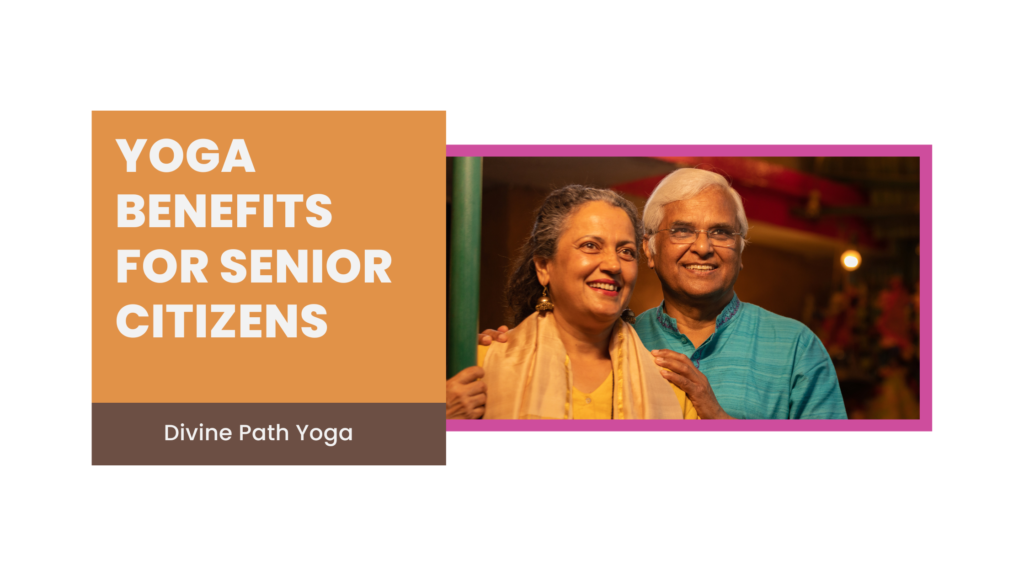
Maintaining good health is a priority as we age. As we age, our bodies become weaker, joints stiffen, balance becomes worse, and we are more susceptible to diseases of old age such as arthritis, diabetes and hypertension. A healthy lifestyle is important for both mental and physical well-being. Yoga is a powerful and gentle holistic solution.
Divine Path believes in the power of mindfulness to enhance health and happiness at every stage of your life. We’ll explore the amazing benefits of yoga to seniors and how it can help combat health issues associated with aging.
Why Yoga for Senior Citizens
As we age, our bodies undergo natural changes. We lose muscle mass, experience a slower metabolism, have less mobility and are more susceptible to chronic diseases. Yoga can improve your quality of life. Modern medicine is important, but complementary practices such as yoga are also beneficial.
Yoga combines breathing (pranayama), gentle poses (asanas), mindfulness , meditation and mindfulness . Yoga offers many benefits for senior citizens.
- Low impact exercise that does not strain joints
- Mental peace and stress relief
- Increased flexibility and balance
- Support for Chronic Conditions
- Enhance vitality and wellbeing
Yoga can be tailored to your needs and abilities, whether you are a beginner or if you have previously practiced.
Top Benefits of Yoga to Senior Citizens
1. Increases flexibility & mobility
As we age, our muscles become tighter and stiffer. As we age, muscles tighten and joints become stiff.
2. Improves balance & prevents falls
Balance can deteriorate with age and increase the risk of falling, which is a major concern for seniors. Yoga postures with a focus on stability such as Vrikshasana (Tree Pose ) and supported balancing poses strengthen the core, improve proprioception and reduce the risk of falls.
3. Boosts Heart Health
Senior citizens often suffer from heart problems and high blood tension. The gentle movement and deep breathing of yoga improve circulation and reduce stress hormones. They also support healthier blood pressure levels.
4. Strengthens Muscles and Bones
Yoga builds strength in the muscles and helps to maintain bone health. This can prevent or slow down Osteoporosis – a condition that is common as we age. Moves such as Bridge Pose and gentle core strengthening poses can increase strength without placing pressure on joints.
5. Supports mental & emotional health
The mindful breathing and meditation practices of yoga calm the nervous systems, reduce anxiety and improve emotional resilience. Yoga is a great way to achieve emotional balance and mental clarity for many seniors who are dealing with stress, loneliness or sleep problems.
6. Manages Chronic Conditions
Yoga is beneficial to seniors who are dealing with:
- Arthritis– By reducing stiffness and pain
- Diabetes by increasing insulin sensitivity
- Respiratory Issues – Through breathing exercises such as Anulom vilom (alternate nasal breathing)
- Back Pain – via gentle stretching and strengthening
All of these benefits contribute to a better quality of life, especially in older age.
Safe Yoga Practices for Senior Citizens
Practicing yoga safely is key to gaining benefits without injury. Here are some essential tips:
Always Warm Up
Start with gentle movements to prepare your body. Neck rolls, shoulder stretches, and ankle pumps are helpful.
Choose Modified Asanas
Not all poses are suitable for seniors. Use props like chairs, bolsters, blocks, or walls for support.
Breathe Mindfully
Never hold your breath; focus on deep, slow inhalations and exhalations. This reduces tension and enhances relaxation.
Stay Within Your Comfort Zone
Do not push beyond your physical limits. Respect your body’s signals, and slowly progress.
Practice Under Guidance
If possible, begin with an experienced yoga instructor who understands the needs of senior citizens.
Simple Yoga Routine for Seniors (Beginner‑Friendly)
Here is a gentle sequence that senior citizens can try:
1. Chair Pose (Seated)
Sit tall on a chair with both feet flat. Inhale, raise arms overhead gently, exhale and lower. Repeat 5–8 times.
2. Cat‑Cow Stretch
On hands and knees (or seated), arch your back on inhale and round on exhale. This promotes spinal flexibility.
3. Tree Pose with Support
Hold a wall or chair for balance. Place the sole of one foot on the other leg’s calf or ankle (avoid the knee). Hold for 15‑30 seconds each side.
4. Bridge Pose
Lie on your back with knees bent. Lift the hips gently as you inhale and lower as you exhale. Strengthens lower back and legs.
5. Corpse Pose (Relaxation)
Lie down comfortably or sit with eyes closed. Breathe naturally for 3–5 minutes to calm the mind.
This routine helps improve flexibility, balance, strength, and peace of mind — all vital aspects of aging well.
Real Life Transformations with Yoga
Many senior citizens who incorporate yoga into their lives report:
✔ Reduced joint pain and stiffness
✔ Better balance and confidence in movement
✔ Lower blood pressure and improved heart health
✔ Enhanced mood and reduced stress
✔ Improved sleep quality
Yoga becomes not just exercise — it becomes a lifestyle of mindfulness, self‑care, and joyful aging.
Why Divine Path Recommends Yoga for Senior Health
At Divine Path, we strongly advocate holistic methods that emphasize care, compassion, and wellness for all ages. Yoga goes beyond physical fitness — it nurtures emotional resilience, mental clarity, deeper breath, and a sense of inner peace that becomes increasingly valuable as one ages.
Our approach ensures:
Safe and age‑appropriate yoga guidance
Focus on slow, mindful movements
Support for managing old age diseases
Improved quality of life through mindful living
We believe that your golden years can be your healthiest, happiest years — and yoga can guide you there.
Frequently Asked Questions (FAQ)
1. Is yoga safe for senior citizens?
Yes — when practiced mindfully and with modifications. Seniors should start slowly, use props for support, and, if possible, practice under qualified guidance. Avoid overstretching and respect your body’s limits.
2. Can yoga help cure old age diseases?
Yoga is not a cure, but it can significantly support management and prevention. It enhances flexibility, improves cardiovascular health, reduces stress, helps control blood sugar levels, and supports joint mobility — all of which benefit seniors dealing with chronic conditions like arthritis, hypertension, and diabetes.
3. What type of yoga is best for seniors?
Gentle yoga styles like Hatha, Chair Yoga, and Restorative Yoga are ideal for seniors. These focus on slow movements, gentle stretching, and deep breathing, making them suitable for older adults.
4. How often should senior citizens practice yoga?
Aim for 3–5 days a week. Even 15–30 minutes daily can create noticeable improvements in flexibility, balance, and well‑being.
5. What if I cannot do certain yoga poses?
It’s perfectly okay! Use modifications — such as doing poses while seated or using props. Listen to your body and never force a stretch.
6. Can yoga improve mental health in old age?
Absolutely. Yoga’s breathing exercises and meditation techniques reduce anxiety, improve sleep, and foster a calm, positive mindset — which is especially supportive for seniors.
Conclusion
For senior citizens, yoga is more than physical exercise — it is a doorway to better health, deeper peace, and joyful aging. It supports the body, calms the mind, and enhances overall well‑being, helping seniors lead active, healthy, and fulfilling lives free from the limitations often associated with old age diseases.
If you’re a senior citizen or caring for one, embrace yoga — it’s never too late to start. Let every breath, stretch, and mindful movement guide you toward stronger health and brighter days.
Start your yoga journey with Divine Path today — because your health and happiness matter.
Stay active. Stay mindful. Stay blessed.